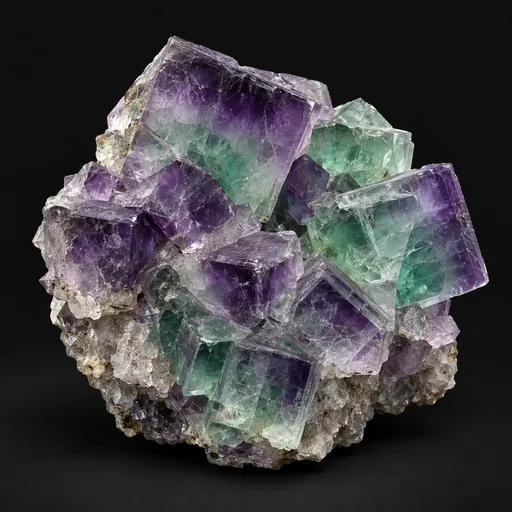
Fluorite is calcium fluoride, often recognised for attractive colour and crystal forms. It is relatively soft and can split along cleavage directions, so a stable display place matters. Material reference
In this guide, fluorite is a personal marker for one chosen period of attention.
Try this: write the task, its smallest useful endpoint and a stopping time. Put only the materials for that task in front of you.
Shape is a material feature
Fluorite can form cubic crystals and can also break into shapes related to its cleavage. Its geometric appearance is interesting in its own right.
A purple-and-green specimen may appeal to you for its colour zones. A pale single crystal may appeal for its shape. The visible structure gives you something to observe, while the focus routine remains an original, practical use for the object.
Give attention a realistic job
You might hope for a productive afternoon. Narrow that to an action: read a section and make three notes, or draft one paragraph before editing.
Set your fluorite beside the work as a cue that this is the chosen task. Put new thoughts on a separate parking list rather than opening every one immediately.
For a weekly routine, choose a place for the specimen and a small task you associate with it. The location can matter more than the length of the ritual.
If concentration is difficult, the stone should not become a test you can fail. Change the environment, seek support where appropriate and use a shorter task. An attractive object can be a cue; it is not a treatment for attention difficulties.
Choose something suited to display
A stable base, protected edges and clear dimensions are useful buying criteria. Delicate crystal points and cleavage pieces need care. A photograph cannot tell you how easily a specimen will sit on your actual desk.
Ask about treatments, repairs and coatings. Choose the colour under ordinary light rather than expecting a studio photograph to represent every setting.
Dust gently with a soft brush or cloth. Protect it from knocks, harsh chemicals, sudden temperature changes and prolonged strong light. Avoid soaking an unidentified or mixed specimen. Store separately from harder stones.
Compare Clear Quartz for a harder transparent option or Sodalite for an opaque desk stone.
Choose a fluorite you can display safely where you work. Let it mark one task you have deliberately opened—and give yourself a clear point at which that task is finished for now.
Ready to go deeper?
Did this answer your question?
Sources and calculation
Imported from the 58 stone article drafts. Planned daily release at 16:00 UTC; requires factual and editorial review before publication. Care and historical sources remain linked in the article. No invented legends or testimonials. Cover image and affiliate links require final setup.